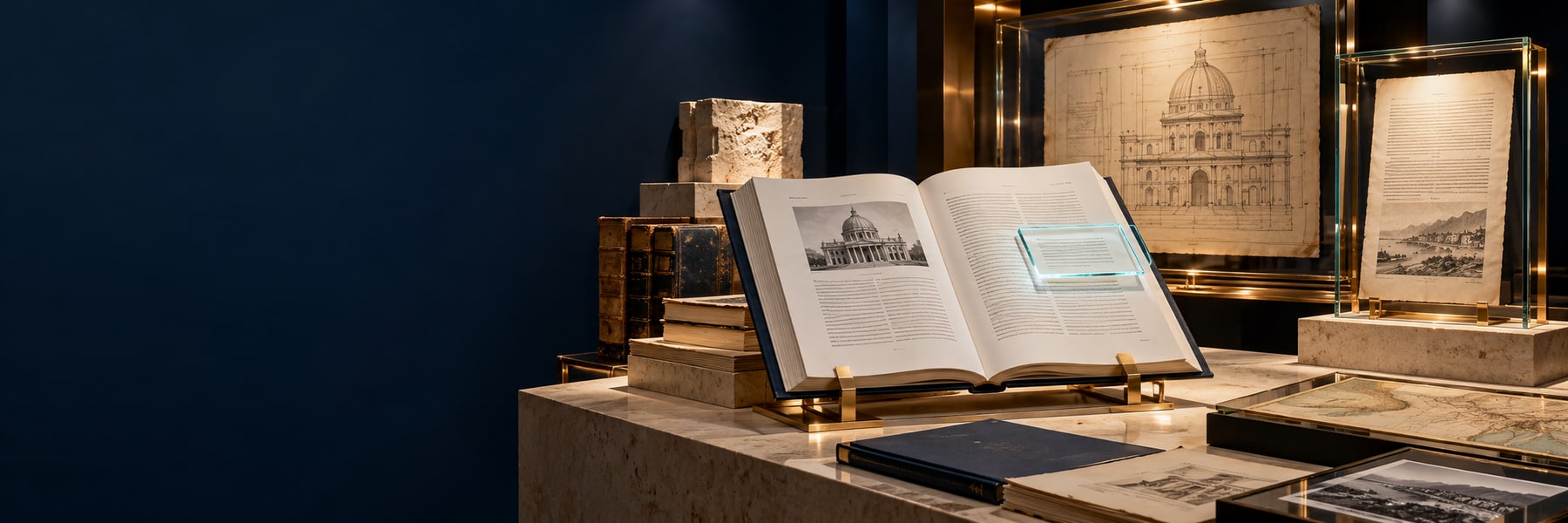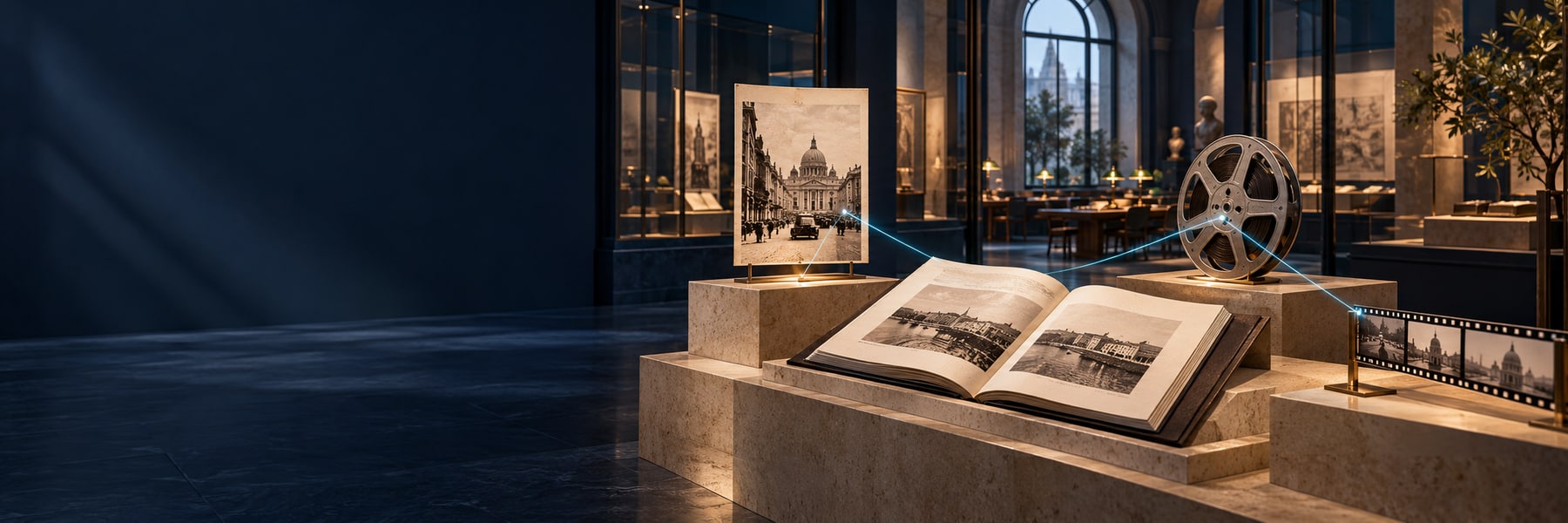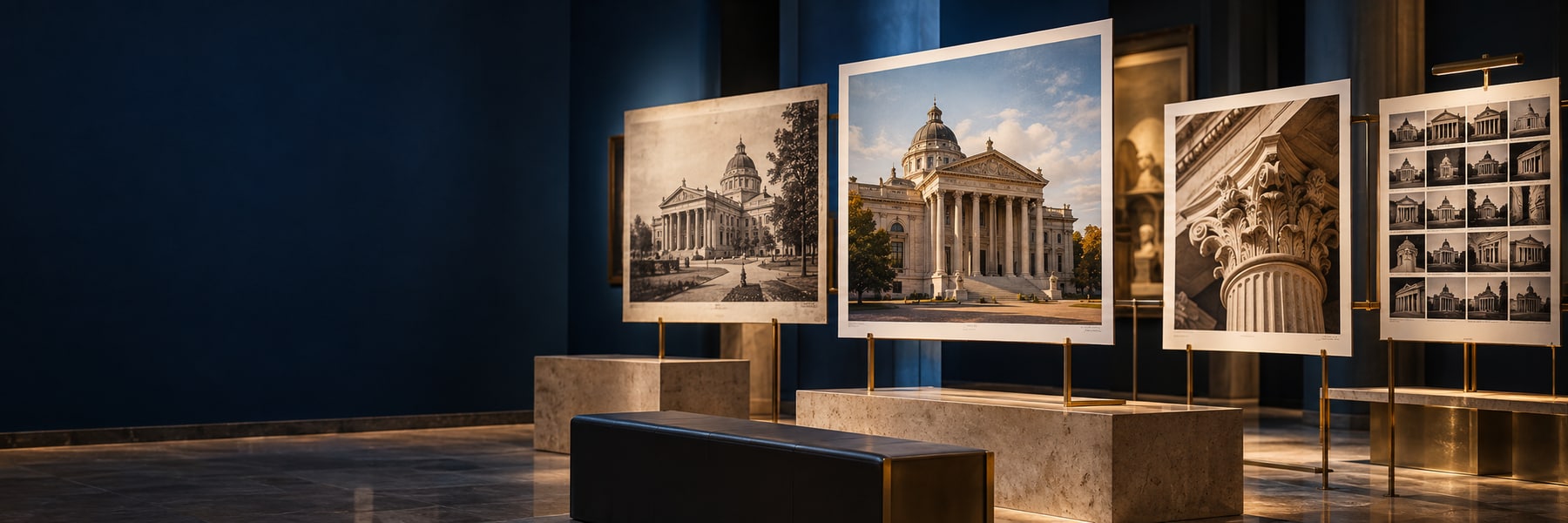
Two images look almost the same. One has a different crop. Another has a mark on the back. A third is lower resolution but preserves a caption the others have lost.
Calling them all duplicates is convenient. It can also erase the question that makes the group interesting: why are there different versions?
Similarity is a reason to look closer
An exact byte-for-byte duplicate and a visually similar image are different findings. A scan of a print, a photograph of that print and a retouched reproduction may depict the same scene while carrying different information.
Grouping candidates can reduce the work of finding those relationships. It does not establish which item is authoritative, which has permission for publication or which should be removed.
Best for what?
The sharpest image may be best for a presentation. A scan that includes the edges may be best for studying handwritten notes. A lower-quality file may be the only one with a documented source.
“Best copy” needs a purpose. Without it, quality becomes an attractive but incomplete score. Before choosing, decide whether the task is reading text, comparing details, making a publication image or preserving contextual information.
Record the differences
When reviewing a group, look for changes in framing, orientation, resolution, color, annotations and source history. Keep the reason for a selection close to the decision.
A simple note can be enough: “Use this version to inspect the inscription; retain the wider scan for context.” The point is to make a later reviewer understand what was chosen and why.
- Which details appear in only one version?
- Does any version contain an annotation or caption?
- Are there meaningful differences in provenance or rights?
- Does the chosen copy fit the intended use?
Discovery does not require deletion
It is possible to make a collection easier to explore without beginning with destructive cleanup. Candidate groups can support navigation and review while originals remain available.
If deletion becomes a separate project, it deserves its own permissions, records and recovery arrangements. A similarity result should not quietly become a deletion instruction.
VAIMS Visual Archive is presented around finding and inspecting related material. In a demonstration, ask to see a group where the differences matter. That is a more revealing test than a folder of obvious repeated files.